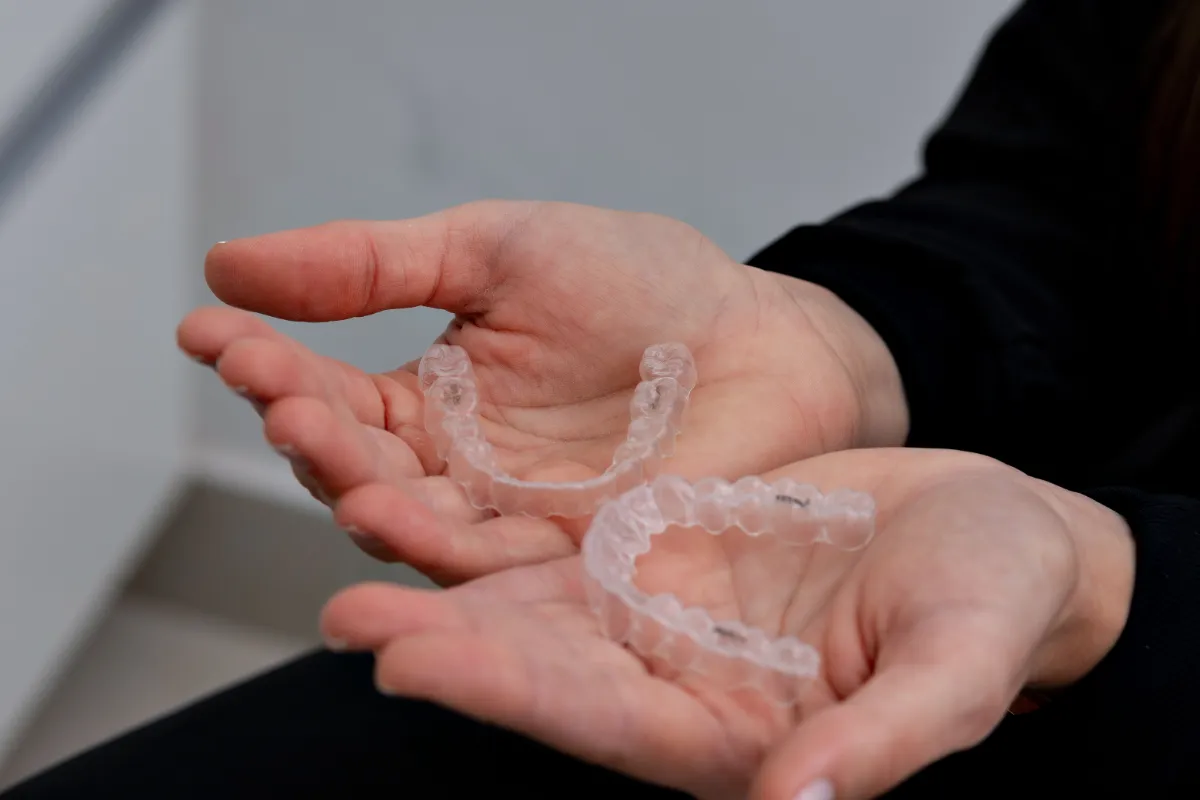
Clear aligners are clear plastic trays that gradually move teeth into better positions. They can help with mild, moderate, and some severe cases of crowded teeth, depending on how much movement is needed and how the teeth and jaws fit together. However, aligners are not suitable for every case. Some types of crowding may need braces, tooth removal, or other dental treatment before teeth can be moved safely. A dentist in Northeast, PA can examine the teeth, check the bite, and explain which treatment may work for the situation.
Understanding the limits of clear aligners can help set realistic expectations before starting treatment.
Can Clear Aligners Treat Severe Crowding?
Yes, clear aligners can treat some cases of severe crowding, but the results depend on the cause and extent of crowding. When there is not enough room for all the teeth to fit properly, the treatment plan must create space and guide the teeth into suitable positions.
For more complex cases, treatment may involve:
- Creating space between teeth: Small amounts of enamel may be carefully removed from selected teeth when appropriate.
- Changing tooth positions: Some teeth may need to move sideways or turn to improve their alignment.
- Making room for crowded teeth: In certain cases, removing a tooth may be considered.
- Using extra support: Small attachments placed on teeth may help aligners guide certain movements.
Severe crowding does not automatically rule out aligners. A detailed examination is needed to determine whether they can move the teeth safely and predictably.
Are Clear Aligners Only for Minor Spacing Issues?
No. Clear aligners can help with both gaps between teeth and crowded teeth. They may also correct some mild-to-moderate bite problems, such as cases where the upper and lower teeth do not meet properly.
However, the treatment needed for each person can differ. Minor spacing issues may require fewer aligners and less time than complex crowding. Some difficult tooth movements may also be harder to manage with aligners alone.
A dentist near you can assess whether the gaps or crowding are caused by tooth position, jaw alignment, or another dental concern. This helps determine whether clear aligners are a suitable choice.
When Might Braces Be a Better Option?
Clear aligners are not the best choice for every orthodontic problem. Traditional braces may offer better control when teeth need complex movements or when the bite requires major correction.
Braces may be recommended when:
- Several teeth are severely twisted or overlap significantly.
- Teeth need large or difficult movements.
- The upper and lower jaws have a major bite mismatch.
- Aligners may not provide enough control for the planned changes.
- Wearing removable trays for the required hours each day may be difficult.
The choice depends on the condition of the teeth, the bite, and the treatment goals. Neither option is automatically better for everyone.
How Can You Know if Clear Aligners Are Suitable?
A dental examination helps identify the type and severity of crowding before treatment begins. The teeth, gums, and bite need to be evaluated to ensure orthodontic treatment is appropriate.
The assessment may include:
- Examining how the teeth overlap or turn.
- Checking how the upper and lower teeth meet.
- Taking dental X-rays when needed.
- Making digital scans or impressions of the teeth.
- Reviewing whether there is enough space for planned tooth movements.
For clear aligners in Northeast, PA, the treatment plan should be based on these findings rather than appearance alone. Healthy gums and good daily oral care also matter because aligners do not treat gum disease or tooth decay.
What Affects the Success of Clear Aligners?
Even when aligners are suitable, the outcome depends on following the treatment plan. Teeth move gradually, so regular use and follow-up visits are important.
Helpful habits include:
- Wearing aligners for the recommended number of hours each day, often around 20–22 hours.
- Removing them for meals and drinks other than water.
- Cleaning the aligners as instructed.
- Keeping teeth and gums clean.
- Attending follow-up visits and switching trays as directed.
Not wearing aligners as instructed can delay progress. Some cases also require additional aligners or minor changes to the original plan.
Take the Next Step Toward Straighter Teeth!
Crowded teeth can affect more than your smile. They can also make brushing and flossing harder. Understanding how your teeth fit together, how much they need to move, and which treatments are right for you can help you choose the best option. A dental checkup can help you understand the steps needed to straighten your teeth and what to expect during treatment.
At North East Dental Arts, you can learn about different ways to straighten your teeth, including clear aligners. The dental team can explain their benefits and limitations and answer your questions. Book your appointment to discuss your options and plan your next steps toward a healthier, straighter smile.
FAQs
Does severe crowding always require tooth removal?
No. Some cases can be treated by creating space in other ways. Tooth removal is considered only when it is appropriate for the individual treatment plan.
Can clear aligners fix a deep bite?
Yes. Clear aligners can fix some deep bites. However, more serious bite problems may need braces or other treatments.
What happens if my teeth do not move as planned?
The dentist may change your treatment plan, give you more aligners, or use another method to move your teeth. Regular checkups help track your progress.
Can my teeth become crooked again after aligner treatment?
Yes. Teeth can shift after treatment. Wearing a retainer as advised by your dentist helps keep your teeth in place.