Today’s cosmetic dentistry has never had more to offer to make your smile brighter. Two of the most common treatments to correct flaws like chipped, discolored, or crooked teeth are veneers and bonding. If you are looking to do a smile makeover, you should know the difference between veneers and bonding so that you can make an informed choice according to your needs, wants, and affordability.
Most of the patients seeking a convenient and affordable answer tend to have dental bonding in North East initially. But how is this different from veneers, and which one of them would prove to be less expensive in the long run?
What Is Dental Bonding?
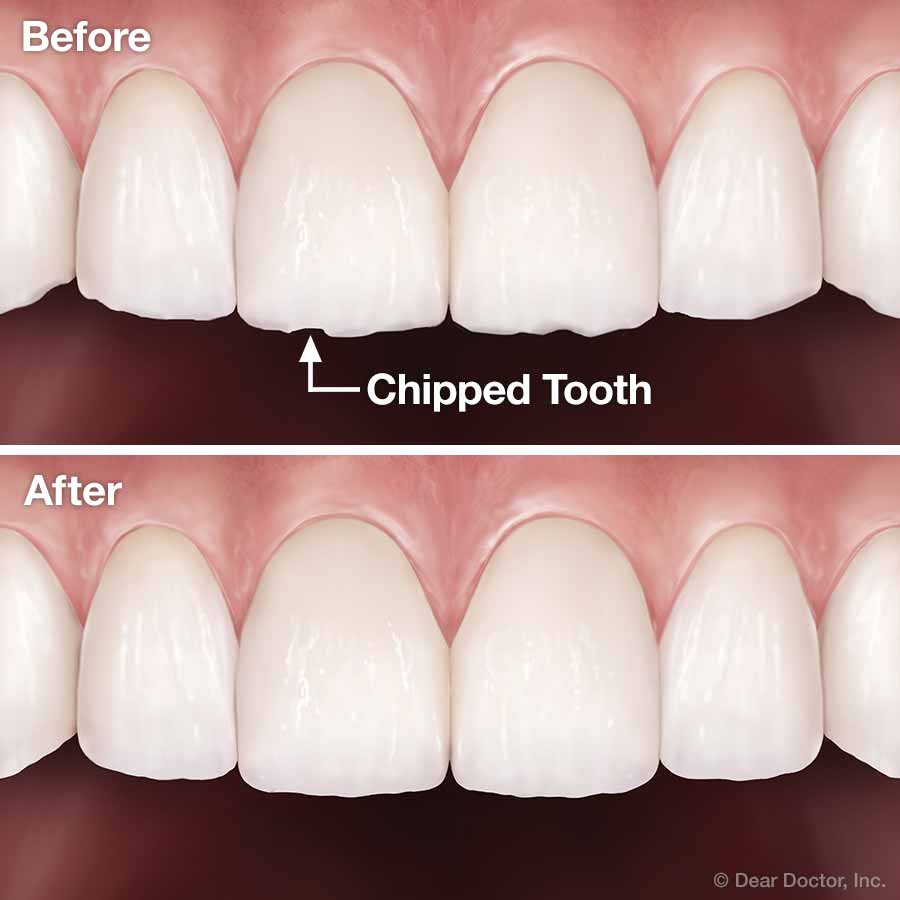
Dental bonding is a non-invasive cosmetic procedure that involves applying a tooth-colored resin to the surface of your teeth. This resin is shaped, hardened with a special light, and polished to blend seamlessly with your natural enamel. Bonding is typically used to correct:
- Chipped or cracked teeth
- Discoloration
- Gaps between teeth
- Minor misalignment or reshaping
The procedure is quick, usually completed in a single visit, and does not require anesthesia unless it’s being used to fill a cavity. Bonding is also one of the more affordable cosmetic treatments available.
What Are Veneers?
Veneers are thin, personalized shells, typically porcelain or composite, that are cemented onto the front of your teeth. Veneers usually need some enamel removed in preparation to fit. They’re typically used for:
- Severe staining that can’t be improved with whitening
- Teeth that are misshapen or irregular in size
- More dramatic smile changes
Veneers are resistant to stains and more durable than bonding, lasting 10–15 years with proper care.
When they realize the general aspects of the two procedures, most people will start looking for a dentist in North East who will guide them through the merits and demerits of any procedure.
Key Difference Between Veneers And Bonding
Although both dental bonding and veneers aim to enhance your smile, they differ significantly in materials, durability, cost, and treatment process.
1. Material Used
Dental bonding uses a tooth-colored composite resin that’s applied directly to your tooth. Veneers, on the other hand, are thin shells usually made of porcelain, offering a more natural-looking and stain-resistant finish.
2. Durability
Bonding generally lasts between 3 to 7 years, while veneers can last up to 10 to 15 years with proper care. Veneers are more resistant to chips, cracks, and discoloration over time.
3. Procedure Time
Bonding is typically completed in a single visit, making it ideal for quick cosmetic fixes. Veneers require multiple appointments since they are custom-made in a dental lab.
4. Cost
Dental bonding is more budget-friendly upfront. Veneers involve a higher investment but may provide better long-term value due to their durability and aesthetics.
5. Stain Resistance
Bonding is more prone to staining from coffee, wine, and tobacco. Porcelain veneers are highly resistant to stains, helping your smile stay whiter for longer.
6. Reversibility
Bonding is often reversible, as it doesn’t require significant alteration of your natural tooth structure. Veneers usually require the removal of a thin layer of enamel, making the process irreversible.
Choosing between the two depends on your smile goals, budget, and how long you want the results to last. A personalized consultation can help you decide which treatment fits your needs best.
Which One Is Right for You?
The right choice depends on several personal factors: your smile goals, oral health, lifestyle, and budget. If you’re not sure where to start, scheduling a consultation can help clarify your options. A professional evaluation will assess your teeth’s condition and recommend the best cosmetic treatment to suit your individual needs.
It’s worth noting that many patients who start with bonding may eventually transition to veneers, especially if they’re looking for a longer-lasting upgrade. If you’re unsure whether you’re a candidate for either treatment, a dentist near you can help guide your decision based on personalized care and expertise.
Maintain Your Results
No matter which treatment you choose, proper oral hygiene and regular dental checkups are crucial to maintaining your new smile. Avoid habits like nail biting or chewing ice, and steer clear of staining foods or drinks, especially if you opt for bonding. Veneers are more stain-resistant, but they still require care to last their full lifespan.
Your Perfect Smile Isn’t Far Away – Bonding or Veneers Could Be the Key to Transforming Your Look!
Whether you’re leaning toward bonding or veneers, expert guidance can make all the difference. Schedule your personalized consultation with the trusted team at North East Dental Arts and discover the best path to a smile that looks and feels like you.